Introduction
International Politics and Diplomatic Relations shape the way countries interact, cooperate, compete, and resolve conflicts. In today’s interconnected world, no nation can exist in complete isolation. Trade, security, environmental protection, technology, healthcare, and cultural exchange all depend on strong diplomatic ties between countries.
Understanding international politics is no longer limited to politicians or diplomats. Students, business professionals, journalists, and ordinary citizens can all benefit from learning how global decisions influence daily life. From international trade agreements to climate negotiations and peace treaties, diplomatic relations affect economies, employment, education, travel, and global security.
As globalization continues to connect nations more closely, governments must work together to address shared challenges such as terrorism, pandemics, cybercrime, climate change, and economic instability. Effective diplomacy helps countries solve disagreements through dialogue instead of conflict while promoting cooperation based on mutual interests.
This comprehensive guide explains International Politics and Diplomatic Relations in simple language suitable for beginners and intermediate readers. You’ll learn how international politics works, why diplomacy matters, the major components of foreign relations, common challenges, practical examples, advantages, risks, frequently asked questions, and expert insights that provide a solid understanding of this important field.
What is International Politics and Diplomatic Relations?
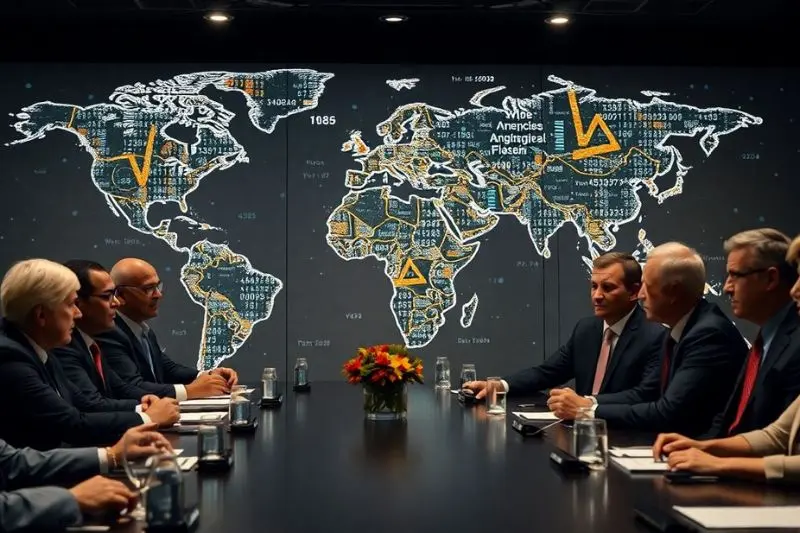
International Politics and Diplomatic Relations refer to the interactions between sovereign nations and international organizations. These interactions include cooperation, negotiation, competition, conflict resolution, trade agreements, security partnerships, and foreign policy decisions.
International politics focuses on how governments pursue their national interests while maintaining relationships with other countries. Diplomatic relations involve official communication between governments through ambassadors, diplomats, embassies, international summits, and negotiations.
Diplomacy seeks peaceful solutions to disagreements while strengthening cooperation in areas such as:
- International trade
- National security
- Human rights
- Climate action
- Economic development
- Scientific cooperation
- Cultural exchange
- Public health
Every country develops a foreign policy that guides its diplomatic decisions according to its political, economic, and security objectives.
Why is International Politics and Diplomatic Relations Important?

International cooperation has become essential because modern problems often cross national borders.
Here are some reasons why diplomacy matters:
1. Promotes Global Peace
Diplomatic negotiations reduce tensions and help prevent armed conflicts through dialogue and compromise.
2. Encourages International Trade
Healthy diplomatic relationships create opportunities for exports, imports, foreign investment, and business partnerships.
3. Improves National Security
Countries cooperate through intelligence sharing, defense agreements, and joint efforts against terrorism and organized crime.
4. Solves Global Challenges
Climate change, pandemics, cyber threats, and food security require coordinated international responses.
5. Supports Economic Growth
Stable diplomatic relations encourage investment, tourism, technological innovation, and long-term economic development.
6. Protects Citizens Abroad
Embassies and consulates assist travelers, students, workers, and businesses operating internationally.
Step-by-Step Guide to Understanding International Politics and Diplomatic Relations
Step 1: Understand National Interests
Every country has priorities that influence its foreign policy.
These usually include:
- National security
- Economic prosperity
- Political stability
- Energy security
- Technological advancement
- International influence
Governments make diplomatic decisions based on these national interests.
Step 2: Learn the Role of Foreign Policy
Foreign policy is a country’s strategy for dealing with other nations.
A successful foreign policy balances:
- Security concerns
- Economic objectives
- Humanitarian responsibilities
- Regional stability
- International cooperation
Foreign policy changes over time depending on leadership, global events, and domestic priorities.
Step 3: Understand Diplomacy
Diplomacy is the peaceful management of international relations.
Diplomats perform several responsibilities:
- Conduct negotiations
- Build alliances
- Resolve disputes
- Represent national interests
- Protect citizens abroad
- Promote economic cooperation
Diplomacy emphasizes communication instead of confrontation.
Step 4: Study International Organizations
International organizations help countries cooperate on global issues.
Some major functions include:
- Peacekeeping
- Humanitarian assistance
- Economic development
- Health coordination
- Environmental protection
- International law
These organizations provide platforms where countries discuss common challenges.
Step 5: Learn About International Law
International law establishes rules governing relationships between nations.
Examples include:
- Human rights protections
- Maritime laws
- Trade regulations
- Diplomatic immunity
- Environmental agreements
- Laws of armed conflict
These legal frameworks encourage predictable international behavior.
Step 6: Understand Trade Diplomacy
Trade has become one of the most important aspects of international politics.
Countries negotiate agreements covering:
- Import tariffs
- Export regulations
- Intellectual property
- Investment protection
- Digital commerce
- Labor standards
Successful trade diplomacy benefits both businesses and consumers.
Step 7: Explore Security Cooperation
National security extends beyond military defense.
Countries cooperate through:
- Intelligence sharing
- Counterterrorism operations
- Cybersecurity initiatives
- Maritime security
- Border management
- Disaster response
Security partnerships improve regional and global stability.
Step 8: Examine Climate Diplomacy
Climate change affects every nation regardless of geography.
Diplomatic cooperation addresses:
- Carbon emissions
- Renewable energy
- Green technology
- Environmental conservation
- Sustainable development
- Disaster preparedness
Climate diplomacy continues to grow in importance.
Step 9: Learn About Cultural Diplomacy
Diplomatic relations extend beyond politics.
Countries strengthen relationships through:
- Student exchange programs
- Cultural festivals
- Sports cooperation
- Educational partnerships
- Scientific research
- Tourism promotion
These activities improve mutual understanding.
Step 10: Understand Conflict Resolution
Disagreements between countries are common.
Diplomatic solutions include:
- Bilateral negotiations
- Mediation
- Arbitration
- International courts
- Peace agreements
- Confidence-building measures
Peaceful conflict resolution reduces the risk of war.
Key Elements of International Politics
Several factors influence international relations.
Political Factors
Government systems, leadership styles, and domestic politics shape foreign policy decisions.
Economic Factors
Trade, investment, inflation, employment, and financial markets significantly affect diplomatic priorities.
Military Factors
Defense capabilities and security alliances influence strategic decisions.
Technological Factors
Artificial intelligence, cybersecurity, satellite technology, and digital communication increasingly shape diplomacy.
Environmental Factors
Climate change, water resources, biodiversity, and natural disasters require international cooperation.
Real-World Examples of Diplomatic Relations
Understanding diplomacy becomes easier through practical examples.
Trade Agreements
Neighboring countries often negotiate reduced tariffs to encourage economic growth.
Peace Negotiations
Diplomats may facilitate dialogue between conflicting parties to reduce violence.
Disaster Assistance
Countries frequently provide humanitarian aid after earthquakes, floods, or hurricanes.
Health Cooperation
Governments share scientific research and medical resources during disease outbreaks.
Educational Exchange
Universities collaborate internationally through scholarships and research partnerships.
Benefits of International Politics and Diplomatic Relations
- Promotes long-term global peace
- Encourages economic growth
- Expands international trade opportunities
- Improves diplomatic cooperation
- Strengthens national security
- Supports scientific innovation
- Facilitates cultural understanding
- Attracts foreign investment
- Enhances disaster response coordination
- Protects citizens living abroad
- Encourages technology sharing
- Supports environmental sustainability
- Creates educational opportunities
- Improves public health collaboration
- Builds international trust
Disadvantages / Risks
Despite many benefits, international politics also presents challenges.
- Political disagreements may delay important decisions.
- Economic sanctions can affect ordinary citizens.
- Diplomatic negotiations often take considerable time.
- National interests sometimes conflict.
- Regional disputes may increase instability.
- Trade disagreements can disrupt markets.
- Misinformation may damage international trust.
- Cybersecurity threats continue to grow.
- Military competition can increase tensions.
- Global crises often require costly international responses.
Common Mistakes to Avoid
Many people misunderstand International Politics and Diplomatic Relations. Avoid these common mistakes.
Assuming Every Country Has the Same Priorities
Each nation has unique economic, political, historical, and security concerns.
Ignoring Economic Factors
Foreign policy is strongly influenced by trade, investment, employment, and financial stability.
Oversimplifying International Conflicts
Most international disputes involve multiple historical, political, and cultural factors.
Underestimating Diplomacy
Diplomatic negotiations often prevent conflicts that never receive media attention.
Believing Military Power Solves Every Problem
Long-term stability usually requires diplomacy, economic cooperation, and political dialogue.
Ignoring Cultural Differences
Respecting cultural values improves communication and strengthens international partnerships.
FAQs
1. What is international politics?
International politics studies how countries interact, cooperate, negotiate, and compete while pursuing their national interests within the global system.
2. What are diplomatic relations?
Diplomatic relations are official interactions between governments conducted through ambassadors, embassies, negotiations, and international meetings.
3. Why is diplomacy important?
Diplomacy helps countries resolve disagreements peacefully, strengthen cooperation, promote trade, and improve international security without resorting to conflict.
4. How does international politics affect ordinary people?
International decisions influence employment, fuel prices, food costs, education, travel, technology, healthcare, investment, and economic opportunities.
5. What is foreign policy?
Foreign policy is a government’s strategy for managing relationships with other countries while protecting national interests and promoting international cooperation.
6. What challenges does modern diplomacy face?
Today’s diplomacy addresses cyber threats, climate change, terrorism, economic competition, misinformation, migration, health emergencies, and technological change.
Expert Tips & Bonus Points
Learning International Politics and Diplomatic Relations becomes easier when you develop a broad perspective.
Follow Multiple News Sources
Reading diverse viewpoints improves understanding of international events.
Study History
Historical events often explain current diplomatic relationships.
Understand Geography
Geography influences trade routes, security concerns, and regional cooperation.
Learn Basic Economics
International trade and financial markets strongly affect diplomatic decisions.
Develop Critical Thinking
International issues rarely have simple solutions. Analyze multiple perspectives before forming conclusions.
Watch International Summits
Global meetings provide valuable insights into diplomatic negotiations and policy priorities.
Understand International Organizations
Learning how global institutions operate helps explain many international decisions.
Observe Long-Term Trends
Diplomatic relationships evolve gradually, making long-term analysis more valuable than focusing only on daily headlines.
Conclusion
International Politics and Diplomatic Relations play a central role in maintaining peace, encouraging cooperation, and addressing the complex challenges facing today’s interconnected world. Every international agreement, diplomatic meeting, trade negotiation, and peace initiative contributes to shaping the global environment in which countries operate. As economies, technologies, and societies become increasingly connected, effective diplomacy remains one of the most valuable tools for promoting stability and shared prosperity.
For beginners and intermediate learners, understanding the principles of international politics provides valuable insight into how governments make decisions, build alliances, resolve disputes, and protect national interests. It also highlights the importance of communication, negotiation, and mutual respect in maintaining productive international relationships.
Although global politics can sometimes appear complicated, its core objective is straightforward: helping nations work together while responsibly managing differences. Strong diplomatic relations create opportunities for economic growth, scientific progress, cultural exchange, and improved global security. By developing a solid understanding of these concepts, readers become better equipped to interpret international events, evaluate foreign policy decisions, and appreciate the significance of diplomacy in shaping a more peaceful and cooperative future. As global challenges continue to evolve, informed citizens will play an increasingly important role in supporting constructive international dialogue and responsible global engagement.