
Introduction
Politics influences nearly every aspect of our daily lives, from the prices we pay for essential goods to the rights we enjoy as citizens. In today’s interconnected world, Political Trends Shaping the World are evolving faster than ever before. Governments are adapting to new technologies, shifting public opinions, economic challenges, environmental concerns, and changing international relationships.
Understanding these political trends is no longer limited to policymakers or political experts. Students, business owners, professionals, investors, and ordinary citizens all benefit from knowing how global political developments affect society. Whether it’s elections, diplomatic relations, digital governance, climate policies, or international trade agreements, every major political trend leaves a lasting impact.
The rise of social media, artificial intelligence, economic globalization, and geopolitical competition has transformed how governments make decisions and communicate with citizens. At the same time, public expectations for transparency, accountability, and better governance continue to grow.
This guide explores the most important Political Trends Shaping the World, explains why they matter, and highlights their influence on governments, economies, businesses, and everyday life. By the end of this article, you’ll have a clear understanding of today’s political landscape and be better prepared to follow future developments with confidence.
What is Political Trends Shaping the World?
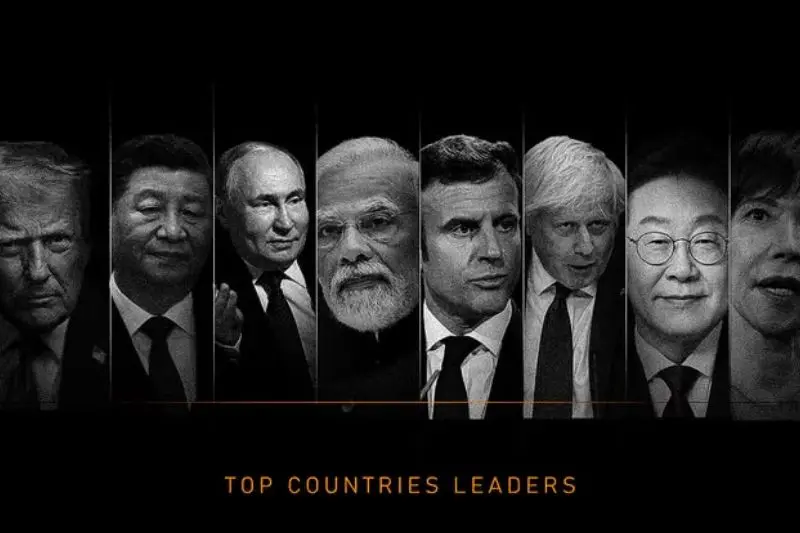
Political Trends Shaping the World refers to the major patterns, developments, and changes influencing governments, political systems, public policies, and international relations across different countries.
These trends develop over time and often reflect changes in society, technology, economics, security, and global cooperation. Some trends emerge gradually, while others appear rapidly due to unexpected events such as economic crises, conflicts, pandemics, or technological breakthroughs.
Examples include:
- Growth of digital governance
- Increasing geopolitical competition
- Climate-focused policymaking
- Rise of populist movements
- Expansion of regional alliances
- Greater public participation through technology
- Data-driven election campaigns
- Stronger focus on cybersecurity
These developments shape how nations interact with each other and how governments respond to domestic and international challenges.
Why is Political Trends Shaping the World Important?
Political developments influence far more than elections. They affect economies, education, healthcare, international trade, business investments, and even personal freedoms.
Here are several reasons why understanding these trends matters:
- Helps citizens make informed voting decisions.
- Improves awareness of international affairs.
- Assists businesses in planning future investments.
- Helps students understand global politics.
- Encourages active civic participation.
- Supports better policy discussions.
- Increases awareness of global challenges.
- Builds critical thinking about government decisions.
As the world becomes increasingly connected, political events in one country often affect many others.
Detailed Step-by-Step Guide to Understanding Political Trends Shaping the World
Step 1: Understand Globalization and International Cooperation
Globalization has connected countries through trade, finance, communication, and technology.
Governments increasingly cooperate on issues such as:
- Climate change
- International trade
- Public health
- Cybersecurity
- Immigration
- Terrorism
However, globalization also creates challenges, including economic competition, supply chain disruptions, and debates about national sovereignty.
Step 2: Observe the Rise of Digital Politics
Technology has completely transformed politics.
Governments now use digital platforms for:
- Public communication
- Online services
- Election campaigns
- Citizen engagement
- Policy announcements
Citizens can participate in discussions instantly through social media, making political communication faster than ever.
However, digital politics also raises concerns about misinformation, fake news, and online manipulation.
Step 3: Watch the Growth of Geopolitical Competition
Many countries are competing for economic, military, and technological leadership.
Major areas of competition include:
- Artificial intelligence
- Semiconductor production
- Military capabilities
- Energy resources
- Global trade routes
- Space exploration
These competitions influence international diplomacy and strategic partnerships.
Step 4: Follow Climate Policy Developments
Climate change has become one of today’s most influential political issues.
Governments are introducing policies related to:
- Renewable energy
- Carbon reduction
- Green transportation
- Environmental protection
- Sustainable industries
Climate policies increasingly shape international negotiations and economic planning.
Step 5: Understand Changing Public Expectations
Modern citizens expect governments to provide:
- Transparency
- Accountability
- Faster public services
- Better healthcare
- Economic stability
- Digital accessibility
Public opinion now spreads rapidly through online platforms, influencing political decision-making more quickly than before.
Step 6: Monitor Economic Policies
Economic issues remain central to politics.
Governments continuously adjust policies involving:
- Inflation control
- Employment
- Taxation
- Public spending
- Interest rates
- Investment incentives
Economic performance often plays a major role in election outcomes.
Step 7: Recognize the Importance of Cybersecurity
As governments become increasingly digital, cybersecurity has become a national priority.
Political leaders invest in protecting:
- Government databases
- Election systems
- Financial infrastructure
- Communication networks
- National security systems
Cyber threats have become an important part of international politics.
Step 8: Observe Regional Alliances
Countries often work together through regional partnerships.
These alliances focus on:
- Trade
- Security
- Economic development
- Infrastructure
- Environmental cooperation
Regional cooperation helps countries address shared challenges more effectively.
Step 9: Follow Demographic Changes
Population trends strongly influence political priorities.
Governments respond to:
- Aging populations
- Youth employment
- Urbanization
- Migration
- Education needs
- Healthcare demand
Demographic shifts often require new long-term policies.
Step 10: Understand the Role of Artificial Intelligence in Governance
Artificial intelligence is becoming an important political topic.
Governments are exploring AI for:
- Public services
- Traffic management
- Healthcare planning
- Tax administration
- Fraud detection
- Data analysis
At the same time, policymakers must address privacy, ethics, and regulation.
Major Political Trends Shaping the World Today
Increasing Polarization
Political opinions have become more divided in many societies.
This polarization can make policy decisions more challenging while encouraging stronger public debate.
Growth of National Security Priorities
Governments increasingly prioritize:
- Border security
- Cyber defense
- Military modernization
- Intelligence cooperation
- Critical infrastructure protection
Security remains a central political concern worldwide.
Expansion of Renewable Energy Policies
Many governments now invest heavily in:
- Solar energy
- Wind energy
- Electric vehicles
- Clean transportation
- Green technology
These policies support long-term sustainability goals.
Digital Democracy
Citizens now engage in politics through:
- Online petitions
- Digital consultations
- Social media discussions
- Virtual public meetings
Technology has expanded opportunities for civic participation.
Greater Transparency
Governments increasingly publish:
- Budget information
- Policy reports
- Performance indicators
- Public consultations
Transparency helps strengthen public trust.
Growing Focus on Human Rights
Many governments continue improving policies involving:
- Equal opportunities
- Education access
- Healthcare
- Labor rights
- Gender equality
Human rights remain an important element of international diplomacy.
Benefits of Political Trends Shaping the World
- Better public awareness of global issues.
- Stronger democratic participation.
- Improved international cooperation.
- Faster government innovation.
- More transparent policymaking.
- Increased economic opportunities.
- Better environmental protection.
- Enhanced public services.
- Greater digital accessibility.
- Improved global problem-solving.
Disadvantages / Risks
- Political polarization may increase social divisions.
- Misinformation spreads rapidly online.
- Cybersecurity threats continue growing.
- Economic uncertainty affects policymaking.
- International conflicts may disrupt cooperation.
- Populist movements can create policy instability.
- Climate disagreements slow global progress.
- Rapid technological change challenges existing laws.
- Privacy concerns increase with digital governance.
- Global crises may overwhelm government resources.
Common Mistakes to Avoid
When studying Political Trends Shaping the World, many people make avoidable mistakes.
1. Relying on One Information Source
Use multiple reliable sources to gain balanced perspectives.
2. Ignoring Historical Context
Current political events often have deep historical roots.
3. Believing Every Social Media Post
Always verify political information before accepting it as accurate.
4. Overlooking Economic Factors
Economic conditions strongly influence political decisions.
5. Ignoring International Relations
Domestic politics often connect closely with global developments.
6. Focusing Only on Elections
Politics involves policymaking, diplomacy, governance, and long-term planning—not just voting.
7. Avoiding Constructive Discussion
Respectful conversations improve understanding of complex political issues.
FAQs
1. What are political trends?
Political trends are long-term developments that influence governments, public policies, elections, and international relations.
2. Why are political trends important?
They affect economies, businesses, education, healthcare, employment, international trade, and everyday life.
3. How does technology influence politics?
Technology improves communication, public services, election campaigns, and citizen engagement while also creating cybersecurity and misinformation challenges.
4. What role does globalization play in politics?
Globalization increases cooperation between countries while creating new economic and political challenges.
5. Why is climate policy becoming a major political issue?
Climate change affects economies, agriculture, energy production, and public health, making environmental policies increasingly important.
6. How can beginners stay informed about political developments?
Read reliable news sources, follow official government announcements, compare different viewpoints, and understand historical context before forming conclusions.
Expert Tips & Bonus Points
Understanding Political Trends Shaping the World becomes easier when you develop consistent learning habits.
Stay Updated Regularly
Political developments change quickly, so follow reliable news daily.
Learn Basic Political Systems
Understanding democracy, constitutional governments, and public institutions provides valuable context.
Compare Different Countries
Studying different political systems broadens your understanding of governance.
Follow Economic Indicators
Inflation, unemployment, and trade often explain major political decisions.
Improve Critical Thinking
Analyze policies objectively rather than relying solely on headlines.
Understand International Organizations
Learning how countries cooperate internationally helps explain many global political developments.
Observe Long-Term Patterns
Political trends usually develop gradually, making long-term observation more valuable than reacting to individual events.
Continue Learning
Politics constantly evolves, making continuous learning one of the best ways to stay informed.
Conclusion
The Political Trends Shaping the World continue to redefine how governments operate, how nations cooperate, and how citizens participate in public life. Rapid technological progress, changing economic conditions, environmental challenges, demographic shifts, and evolving international relationships are creating a political landscape that is more interconnected than ever before.
For beginners and intermediate readers, understanding these trends provides valuable insight into the forces influencing global events and everyday life. Political developments affect employment, education, business, healthcare, security, and countless other aspects of society. By following these changes with an open and informed mindset, individuals can better understand the opportunities and challenges facing their communities and the wider world.
Staying informed requires looking beyond headlines, considering historical context, and examining multiple perspectives. As governments continue adapting to emerging technologies, climate concerns, economic pressures, and public expectations, new political trends will continue to emerge.
Developing a habit of following reliable information, analyzing long-term developments, and participating in respectful civic discussions can help anyone become a more informed global citizen. By understanding today’s political landscape, you will be better prepared to interpret future events, make informed decisions, and appreciate the complex forces that shape our rapidly changing world.